Vintage Royal Coat of Arms Emblem Vector: Graphics & Illustrations
First Impression: Regal, Timeless, and Instantly Recognizable
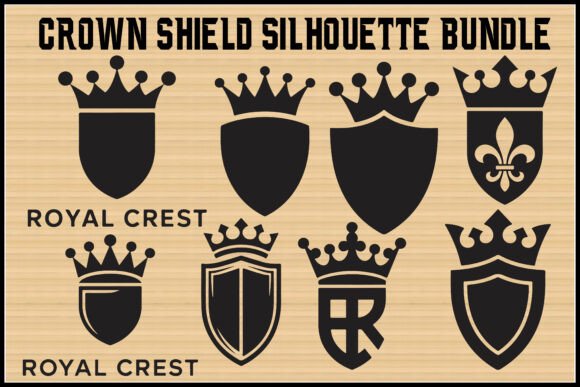
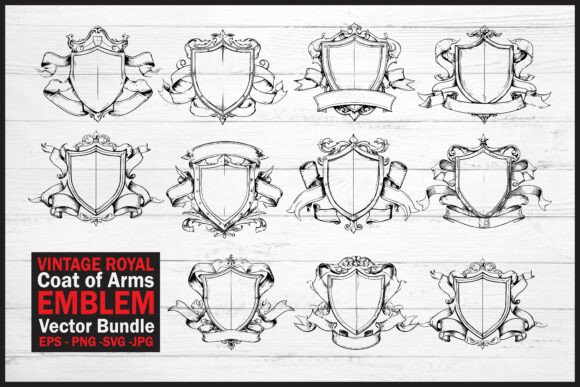
Opening the Vintage Royal Coat of Arms Emblem Vector bundle felt like unboxing a piece of visual heritage—rich in symbolism, layered in craft, and unmistakably authoritative. The 10 heraldic shield designs evoke tradition, craftsmanship, and quiet confidence—not pomp, but presence. For brand owners launching premium handmade goods, heritage-inspired products, or editorial content with a British, European, or antique aesthetic, this graphic design asset lands with emotional weight. It signals quality before a single word is read. That said, it’s not inherently “playful” or “minimalist”—it leans into gravitas, so it works best where authenticity, legacy, or artisanal distinction matters more than trend-chasing.
A Real Campaign Fit: Refreshing a Seasonal Tea Brand’s Visual Identity
Last month, I helped a small-batch tea company refresh its autumn campaign—launching a limited-edition “Royal Harvest Blend.” We needed visuals that communicated heritage, botanical care, and elevated ritual—not just “cute leaves.” The Vintage Royal Coat of Arms Emblem Vector became our anchor: scaled down on product labels, centered in Instagram post templates, and embossed subtly on packaging inserts. Its SVG and EPS files ensured crisp scaling across web headers, Canva templates, and printable promotions. The PNG transparency options made it easy to layer over textured backgrounds—think parchment overlays for blog graphics or warm-toned Pinterest pins. In practice, it strengthened visual hierarchy by giving each asset a focal point rooted in trust and tradition.
Where This Design Bundle Earns Its Keep
- Brand identity systems: Used as a secondary mark or decorative element alongside a modern logo—adds gravitas without competing
- Packaging design & product labels: Especially effective on apothecary-style jars, wax-sealed boxes, or luxury gift sets
- Social media graphics: Works powerfully in Instagram carousels (as chapter dividers) and Facebook ads targeting audiences who value craftsmanship
- Editorial design & content marketing: Elevates lead magnets like “Heritage Brewing Guide” PDFs or seasonal lookbooks
- Digital product visuals: Adds authority to Canva templates sold on creative marketplaces—especially for wedding planners, historians, or vintage-themed bloggers
- Merchandise & stickers: The clean vector lines hold up beautifully on enamel pins, tote bags, and vinyl decals
Marketing Goals It Actively Supports
This isn’t just clipart—it’s a strategic visual tool. When placed intentionally, the Vintage Royal Coat of Arms Emblem Vector delivers measurable branding lift: stronger first impressions on landing pages, clearer visual hierarchy in email banners, improved audience trust for small business branding, and more memorable campaign visuals across platforms. Because it carries built-in cultural resonance, it reduces the need for explanatory text—letting your product or message take center stage. For digital sellers and online coaches building authority, it quietly reinforces credibility. For publishers and bloggers, it adds editorial weight to otherwise flat layouts.
Best Places to Deploy—Without Overdoing It
Reserve this emblem for moments that benefit from symbolic weight: hero graphics announcing a new collection, campaign headers on Shopify stores, branded templates for client deliverables, social media cover photos with restrained spacing, packaging accents (not full wraps), content bundles with a cohesive “vintage luxe” theme, promotional banners for holiday launches, and decorative brand elements in media kits or pitch decks. Its strength lies in restraint—it’s most powerful when it punctuates, not dominates.
Where to Proceed With Intention
Avoid dropping the Vintage Royal Coat of Arms Emblem Vector into formal corporate branding (think fintech or SaaS dashboards), dense information layouts (like comparison tables), or mobile-first ads where clarity trumps ornament. It can overwhelm low-contrast backgrounds or compete with primary messaging in text-heavy Facebook ads. Also, tread carefully with overly minimal brands—if your entire aesthetic is monochrome sans-serif + negative space, this emblem may feel tonally dissonant unless reinterpreted thoughtfully (e.g., simplified line-only version, grayscale treatment).
Practical Brand Designer Notes You’ll Actually Use
Before finalizing any campaign asset, I always test the Vintage Royal Coat of Arms Emblem Vector against real constraints: Does it harmonize with my brand’s core color palette—or does it demand an accent hue? How does it render in pure black and white for print-ready product labels? I drop it into live mockups—not just isolated previews—to assess balance beside headlines and CTAs. Mobile preview is non-negotiable: does it retain legibility at 64px height? I compare it against competitor visuals to ensure distinctiveness, not cliché. And crucially—I verify commercial license terms before using it in paid digital ads, client work, or any digital product sold on a creative marketplace. Pairing tests matter too: it anchors beautifully with serif fonts (think Garamond or Playfair Display), adds contrast beside clean sans serifs (Inter, Helvetica Neue), and gains unexpected charm next to subtle script fonts—but avoid busy handwritten or display fonts that fight for attention.
Final Thought: A Thoughtful Asset, Not a Shortcut
The Vintage Royal Coat of Arms Emblem Vector isn’t a “drag-and-drop fix” for weak branding—it’s a deliberate choice for creators who understand how symbolism shapes perception. When used with intention, it supports professional branding, strengthens small business storytelling, and adds heirloom-quality texture to modern marketing visuals. Whether you’re designing a sticker sheet for Etsy, building a Pinterest strategy for a lifestyle brand, or crafting packaging for a boutique candle line, this design bundle offers timeless illustration value—if your audience values legacy, authenticity, and visual distinction.