Stylized Ibex with Tribal Patterns and D
First Impressions: Bold, Graphic, and Ready for Stitching
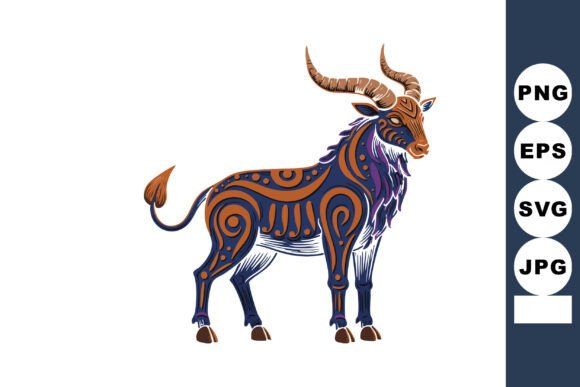
When I opened Stylized Ibex with Tribal Patterns and D, my eye locked onto the silhouette first—the strong, upward-sweeping horns anchor the composition like a natural archway. This isn’t a realistic wildlife sketch; it’s a confident graphic statement. The tribal patterns aren’t just filler—they’re rhythmic, intentional, and balanced across the body and legs. There’s weight to the lines, clarity in the negative space, and a deliberate sense of symmetry that reads well at a glance. As an embroidery designer who’s stitched hundreds of animal motifs, I immediately thought: This will translate cleanly to thread—if handled right.
A Real-World Test: Embroidering It on a Linen Kitchen Towel
Last week, I used Stylized Ibex with Tribal Patterns and D for a small-batch run of embroidered kitchen towels—intended for a local boutique’s holiday collection. Linen is unforgiving: it shifts, puckers, and shows every stitch imperfection. I chose medium-weight cutaway stabilizer, 40-weight rayon thread in deep terracotta, charcoal, and cream, and ran a test on scrap first. The result? Crisp satin-stitched outlines held their shape, and the tribal fill areas stayed legible without bleeding or overcrowding. Customers responded strongly—not just to the ibex itself, but to how “designed” it felt. It didn’t look like clip art dropped onto fabric. It looked like part of the product’s identity.
Where This Design Shines (and Where It Needs Care)
Stylized Ibex with Tribal Patterns and D excels in projects where boldness and cultural resonance matter:
- Custom apparel: Works beautifully on sweatshirt backs, tote bag panels, and apron pockets—especially when paired with earthy or muted fabric tones.
- Embroidered patches: Its clean outer edge and defined internal zones make it ideal for sew-on or iron-on patches. No floating elements to snag.
- Baby and nursery items: On organic cotton onesies or linen pillow covers, it reads as artistic—not aggressive—thanks to its stylized, non-literal form.
- Holiday and wedding gifts: I’ve seen it reworked subtly (e.g., swapped thread palette to ivory + sage) for rustic-chic baby showers and mountain-themed weddings.
But be thoughtful about context. Avoid using Stylized Ibex with Tribal Patterns and D on:
- Very small hoop sizes (under 4” diameter)—the tribal detailing tightens up and risks losing definition.
- Highly textured fabrics like bouclé or thick terry cloth—fine-line tribal marks can disappear into the pile.
- Stretchy knits without proper stabilization—the bold curves demand stable fabric movement.
- Dark garments with low-contrast thread choices—it needs breathing room and clear tonal separation to land visually.
What It Adds to Your Finished Product
This isn’t just decoration. Stylized Ibex with Tribal Patterns and D elevates perceived value. When stitched cleanly, it signals intentionality—like you chose a design with narrative weight, not just visual noise. For Etsy sellers and craft fair vendors, that translates directly to customer trust: buyers feel they’re getting something curated, not mass-generated. On personalized gifts—say, a monogrammed baby blanket with this ibex tucked in the corner—it adds quiet storytelling without overwhelming the sentiment. And for boutique branding? It holds up in both digital mockups and physical displays, maintaining clarity whether scaled down for a tag or enlarged for a wall banner.
Practical Designer Notes Before You Stitch
Before committing to your first full run, do these five things:
- Test on scrap fabric—same type, same stabilizer, same thread count you’ll use for production.
- Check thread color contrast in natural light *and* under store lighting. Tribal details vanish if adjacent threads are too close in value.
- Review stitch density in the densest zones (like horn tips or chest patterning). Overly heavy fill stitch can cause stiffness or fabric distortion on lightweight items.
- Confirm hoop size compatibility—this design has presence, so ensure your machine’s maximum hoop area comfortably contains it with margin.
- Inspect small details in black-and-white mockups. If the tribal rhythm flattens or blurs without color cues, consider simplifying one zone before digitizing.
Also: verify licensing terms before selling finished products or bundling Stylized Ibex with Tribal Patterns and D as part of a digital embroidery file pack. Since it’s categorized under Illustrations and labeled a Graphics product, confirm whether commercial embroidery use is explicitly permitted—and whether attribution is required.
Final Thought: A Design That Earns Its Place
Not every vector illustration becomes a successful machine embroidery design. Many falter in translation—losing rhythm, collapsing detail, or fighting the fabric instead of enhancing it. Stylized Ibex with Tribal Patterns and D avoids those pitfalls. It’s got structure, personality, and enough breathing room to let thread and texture speak. Whether you’re stitching a single custom tote bag or building a cohesive line of handmade product for your craft business, this ibex doesn’t just sit on the fabric—it belongs there. Just give it the attention it deserves: smart stabilizing, intentional thread choices, and respect for its graphic integrity. Then step back and let it do what it does best—make your work look unmistakably yours.